"While people are fascinated by adoption in the abstract, they tend to know very little about it in reality. In the real world, it seems to belong to an increasingly distant past."
Growing up, my knowledge of adoption was defined by the media I consumed. In fiction, it was characters such as Jane from Jane Eyre, Oliver from Oliver Twist, and the Baudelaire children from A Series of Unfortunate Events. But perhaps the most influential character who defined adoption for younger me was Tracy Beaker, and yes, "bog off" was banned in my house growing up. I understood that sometimes, children needed to be looked after by somebody other than their parents, but I did not know the reasons behind it. All I knew was that somebody (such as Mr. Poe or Elaine the Pain) was there to help you find a new home and give you a chance at life your parents, for whatever reason, could not give you.
I never met anybody who had been adopted until I went to Sixth Form. When they shared their experience of being in care, it opened my eyes to something I was, to be honest, rather oblivious to. This individual had a profound affect on my understanding of care, and what it means to be adopted. As a teacher, I have now taught children who are adopted themselves, and seeing their resilience first-hand has made it clear that these children deserve support, stability, and the opportunity to flourish.
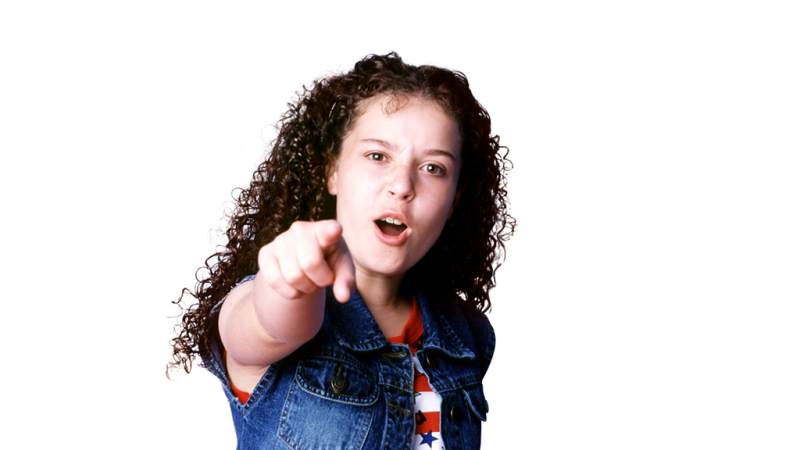
I think we can all agree that Tracy Beaker was not the best influence on children growing up in the 2000s!
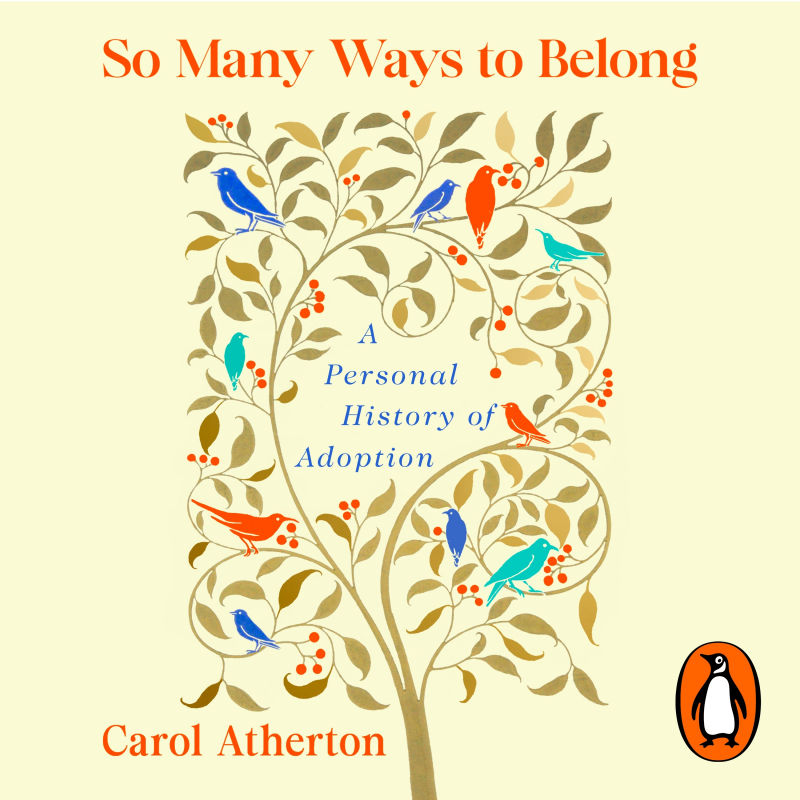
Cue Carol Atherton's book, So Many Ways to Belong: A Personal History of Adoption.
I had the pleasure of meeting Atherton at an event for her first book, Reading Lessons, at Aston University. Not only was this book incredible (and definitely worth getting a copy of!), Atherton herself was both an inspiring and kind-hearted person. A heart-to-heart with her had instilled me with the confidence to make a decision for the betterment of myself, and I have since kept in touch with her. So when I heard that she was bringing out a new book, all about adoption, I was very excited to buy a copy. I remember walking around my local Waterstones desperately trying to find a copy; I had checked before and it said that they were in stock. Thankfully, I left with my copy and began devouring it that evening.
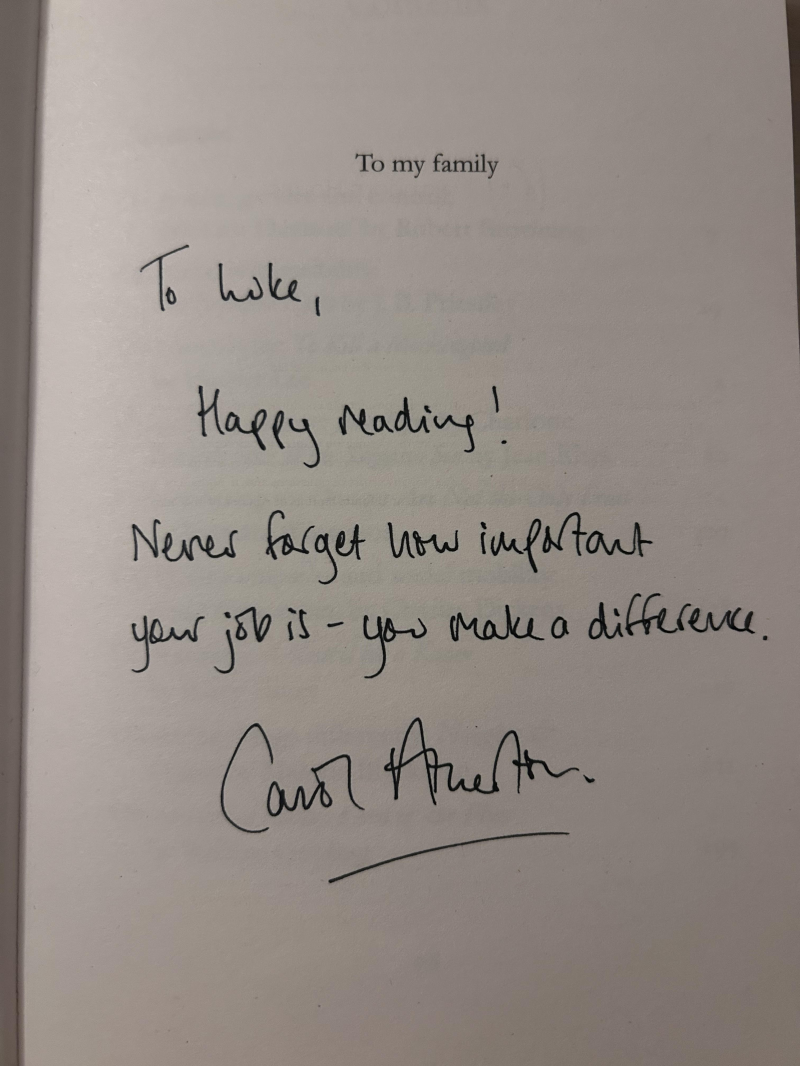
I have re-read this message many times since that evening, and the book itself. Both have helped me to keep going when times have been tough.
Atherton's newest book, rather than solely detailing how adoption has evolved over the years, incorporates her own experiences with adoption. The openness in which Atherton details her history was emotionally moving. It was raw; you could feel the anger of her younger self in the earlier chapters when talking of her situation. When we take something for granted, how do we respond when that becomes something which no longer applies to you? How do we respond to comments from other people which, despite meaning well, come off as ill-informed, or hurtful?
As the book develops, we see how Atherton and her partner, Matthew, enter the world of adoption. This part was particularly eye-opening to me. Courses, home-prep, interview after interview … the true nature of even getting to a position where you are deemed eligible to adopt seems gruelling for those taking part. But all the way through, you are reminded by Atherton that for an adoption to happen:
"something has to go so wrong in someone else's life that their children have to be taken away from them. We've got to remember that. It's not all about us and what we want. There's somebody else's tragedy on the other side of all of this."
This unwillingness to hide the reality of adoption is something which I really appreciated. It made the book, at times, uncomfortable, but in my opinion, you cannot hide such moments when you are talking about something like adoption. If we want people to have a deeper understanding of a topic, we have to include the parts which are not so pretty: the reasons a child may need adopting, the impact this has on the child, those adopting and the child's biological parents as well. This is what Atherton does throughout and it is what helps make this book as illuminating as it is.
Towards the end of the book, we see Atherton and her partner begin their journey with their young boy. Atherton chooses not to go into detail of life with their young boy, as "that story isn't mine to tell". The book doesn't need this part of the story, anyway. We are not here to put words in the mouths of those who are adopted or looking for adopted homes. We are here to listen, and to support them as they find their voice and become the person who they want to become.
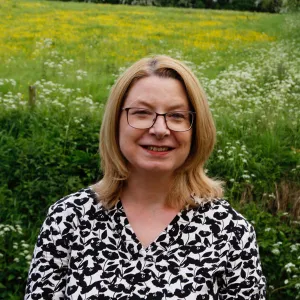
Atherton has been teaching English since 1996. She read English at the University of Oxford, before completing her PGCE at Manchester Metropolitan University and PhD at the University of Nottingham.
I would consider this book to be essential reading, regardless of whether you work directly with children or are a parent or not. Adoption is not something which should be kept wrapped up in secrecy. Adoption should not be a "hushed voices" type of conversation. Atherton has written a book layered with emotion, social and personal history, and her captivating prose style. So Many Ways to Belong is one of those rare books which will stay with you long after you have read it, and one you will want to share with the world yourself.
Add comment
Comments